
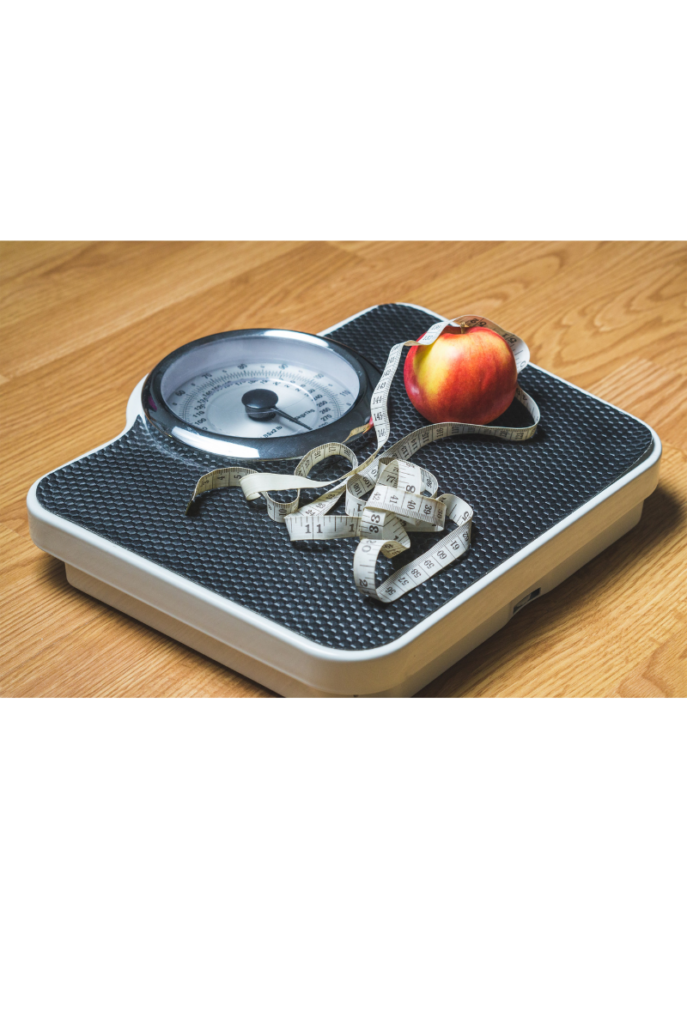
Scale not moving? You might still be losing fat
Last Updated Feb 10th 2026
Scale not moving fat loss can feel frustrating, but a few flat weigh-ins usually mean normal body-weight fluctuation, not failure. If your weight has stayed the same for three days, you’re not broken — and your plan hasn’t failed. A flat scale over a few mornings is normal, even when fat loss is happening.
At Green Gym Group, we remind members of this all the time: progress is a trend, not a single weigh-in.
What the evidence says
-
Short-term weight changes are often water, not fat.
In free-living adults, short windows of body-weight change are largely explained by fat-free mass (including water), not just body fat. Day-to-day swings of around 1–2 kg can happen without reflecting true fat gain/loss. -
Carb intake can move scale weight quickly via glycogen + water.
Human data support that each 1 g glycogen stored in muscle is associated with at least ~3 g water, so harder training or higher carbs can temporarily increase scale weight even while fat loss continues. -
Salt intake can shift fluid balance.
Controlled diet work shows sodium status is linked with extracellular fluid volume, which helps explain why salty meals can create short-term “scale noise.” -
Hard sessions can create temporary soreness/swelling.
Exercise-induced muscle damage is associated with delayed swelling and inflammatory recovery responses, which can mask fat loss for a few days on the scale. -
Sleep matters more than people think.
In controlled sleep-restriction research, people ate more and gained more weight, even when energy expenditure didn’t rise — poor sleep can make the trend messier. -
Fat loss is measured in weeks, not mornings.
NHS guidance frames safe, sustainable loss around ~0.5–1 kg/week for many people, and notes it may take months before clear changes show. So three days is simply too short to judge.
Scale not moving fat loss: what to do for the next 14 days
Here’s the no-drama protocol we use with our coaching members.
1) Standardise weigh-ins
Weigh once daily:
-
after toilet
-
before food/drink
-
similar clothing (or none)
-
same scale, same spot
2) Use a 7-day average (not single days)
Track your daily number, then compare:
-
Week 1 average vs Week 2 average
-
Ignore one-off spikes after salty meals, hard leg sessions, or poor sleep
Regular self-weighing is generally associated with better weight-management outcomes when it’s used as feedback (not self-judgement).
3) Hold the plan steady for 14 days
If adherence is good, don’t change calories/training after just 2–3 quiet weigh-ins.
You need enough data to separate real trend from noise.
4) Keep these variables consistent
-
protein target
-
sodium range (avoid huge swings day to day)
-
hydration
-
step count/activity
-
sleep routine
5) Only adjust if the average truly stalls
If 14-day averages are flat and adherence is strong:
-
reduce intake modestly (e.g., 100–200 kcal/day), or
-
add a small activity bump (e.g., +1,500 to +2,500 steps/day)
No crash changes. No punishment cardio. Just calm, repeatable moves.
If scale not moving fat loss is happening this week, keep your plan steady long enough to judge the weekly trend, not one day.
A simple weekly check-in template
Use this every week:
| Metric | Target | This week |
|---|---|---|
| Training sessions completed | 3–4 | |
| Average daily protein | Set by your plan | |
| Average daily steps | Personal baseline + small progression | |
| Sleep (hours/night) | 7+ where possible | |
| 7-day weight average | Compare week to week | |
| Waist (optional, 1x/week) | Same time/conditions |
If 4–5 of these are on point, you’re usually closer than you think.
FAQs
“My weight is identical for 3 days. Should I cut calories now?”
Usually no. Three days is not enough signal. Keep execution tight and assess the 7-day/14-day average first.
“Can I gain fat overnight?”
Meaningful fat gain requires a sustained surplus over time. Overnight jumps are commonly fluid/glycogen/gut-content changes, not pure fat tissue shifts.
“Should I weigh daily or weekly?”
Either can work, but daily weigh-ins with weekly averaging give better trend visibility for many people and reduce knee-jerk decisions.
Final word from our coaching team
If your scale is quiet for a few days, stay calm and stay consistent.
The people who get long-term results are rarely the people making daily plan changes — they’re the people repeating good basics long enough for trends to show.
Book a Gym Visit
-
Book a friendly intro (10–15 min) — Our chance to show you all the extra help we can give you.
-
Try Before you Buy — see the space, meet the team and our members, workout without pressure.
-
Previous Blog For Extra Context — Flexible Dieting

