
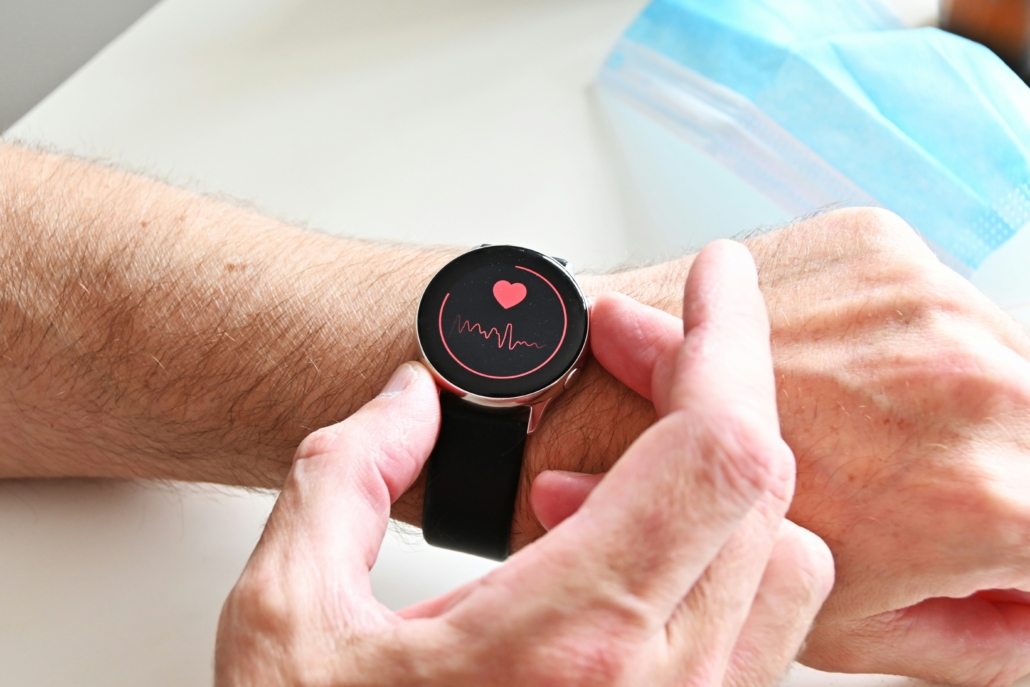
Heart Rate Zones Training: What They Do for Your Body (and How to Use Them at Any Age)
sIf you’ve ever wondered whether you’re going too hard (or not hard enough), heart rate zones training is the simplest way to take the guesswork out. It helps you match effort to your goal — fat loss, fitness, or performance — without living in a spreadsheet or staring at your watch all session.
First: find your zones (quick + accurate enough)
Step 1 — Estimate max HR (MHR).
A better formula than 220–age is: MHR ≈ 208 − 0.7 × age.
Step 2 — (Optional) Use Heart-Rate Reserve (HRR) for more precision.
HRR = MHR − Resting HR (RHR).
Target HR = (HRR × zone %) + RHR.
No HR strap? Use the Talk Test/RPE alongside your watch:
-
Easy pace: full sentences (RPE 2–3/10)
-
Moderate: short sentences (RPE 4–6/10)
-
Hard: single words (RPE 7–8/10)
-
Very hard: can’t talk (RPE 9–10/10)
Meds like beta-blockers blunt HR. If that’s you, steer by RPE/Talk Test and coach feedback.
Heart Rate Zones Training: What each Zone is for
| Zone | % Max HR* | Feels like | Main benefits | Typical duration |
|---|---|---|---|---|
| Z1 – Recovery | 50–60% | Very easy; full conversation | Blood flow, recovery, stress relief, joint motion | 20–60 min |
| Z2 – Aerobic base | 60–70% | Easy; you could chat | Mitochondria & capillary growth, fat oxidation, endurance, heart health | 30–90+ min |
| Z3 – Tempo | 70–80% | “Comfortably hard” | Raises aerobic ceiling, improves sustainable pace | 20–45 min continuous or blocks |
| Z4 – Threshold | 80–90% | Hard; 1–2 words | Increases lactate/anaerobic threshold; race-pace power | 10–30 min broken into reps |
| Z5 – VO₂max | 90–100% | Max efforts | Boosts peak aerobic power, speed, finishing kick | 4–15 min total hard work |
*Or use HRR percentages if you prefer. We’ll help you set either during your intro session.
Which zones should you use? (by age & goal)
Ages 18–29
-
General fitness / body comp: 2–3 Z2 sessions + 1 Z3/4 mixed day.
-
Performance: keep 70–80% of weekly time in Z1–Z2; add 1–2 quality days (Z3/4/5).
Ages 30–49
-
Time-pressed parents: build health on Z2; add one Z3 block or short Z4 intervals weekly.
-
Runners/cyclists: mostly Z2; 1 threshold workout; occasional VO₂max.
Ages 50–64
-
Prioritise joint-friendly Z2 (walk, bike, row), sprinkle Z3; add 2× strength weekly to protect muscle/bone.
-
If experienced, keep one threshold session most weeks; Z5 sparingly.
Ages 65+
-
Heart health & mobility first: Z1–Z2 most days + balance/strength 2×/week.
-
Add gentle Z3 blocks only if you’re injury-free and recovering well.
Everyone: if you’re brand-new, de-trained, or on HR-affecting meds, start with Z1–Z2 and progress gradually. If you have a heart condition, recent illness, or symptoms (chest pain, dizziness), get medical clearance first.
Hear Rate Zones Training examples:
Z1 – Recovery / De-stress
-
30–45 min easy walk with nasal breathing
-
20–30 min gentle spin after a tough day
-
Mobility flow + light cardio “flush” (10 min)
Z2 – Base / Health
-
40–60 min brisk walk or incline treadmill (talk comfortably)
-
45–75 min easy bike/row keeping HR steady
-
“Accumulator”: 3×15 min Z2 with 3–5 min easy between
Z3 – Tempo / Sustainable Power
-
2×10 min at Z3 with 5 min easy between
-
3×8 min at Z3 (bike/row/run), 3 min easy recoveries
-
20–30 min continuous tempo for experienced athletes
Z4 – Threshold
-
4×6 min Z4 with 3 min easy between
-
3×8 min Z4 (runners), 4×5 min Z4 (cyclists)
-
Brick option: 10 min Z4 bike + 6 min Z3 run, twice
Z5 – VO₂max / Speed (advanced)
-
6–8×2 min Z5, 2 min easy between
-
10×30 s hard / 30 s easy (tabata-style but controlled)
-
Hill reps: 8×45–60 s strong uphill, walk down
Strength + Zones (smart combo)
-
Do strength first (2–3×/week).
-
On strength days, keep cardio Z1–Z2. Put Z3–Z5 on separate days or hours apart.
he aim with heart rate zones training is consistency — you’ll get better results from the right intensity done regularly than smashing yourself once a week.
Sample weekly plans (pick your goal)
A) Heart health & fat loss (any age, beginner-friendly)
-
Mon: 40–50 min Z2 walk/bike
-
Wed: Full-body strength (20–30 min) + 15 min Z1
-
Fri: 40–60 min Z2
-
Sat/Sun: Family hike Z1–Z2 (30–60 min)
B) 10K run (intermediate, 30–49)
-
Tue: 2×10 min Z3 (run), 5 min easy between
-
Thu: Strength + 20 min Z1
-
Sat: Long run 60–75 min Z2
-
Optional Sun: 6×2 min Z4, 2 min easy
C) 60+ joint-friendly endurance
-
Mon: 35–45 min Z2 bike/row
-
Wed: Strength + balance (30–40 min)
-
Fri: 30–40 min Z2 walk (soft ground)
-
Sat: Mobility + 20 min Z1
Keep it simple, repeatable, and let heart rate zones training guide the effort.
Worked example: set your Zone 2
45-year-old, resting HR 60 bpm
-
MHR ≈ 208 − 0.7×45 = 177 bpm
-
HRR = 177 − 60 = 117
-
Zone 2 (60–70% HRR) → (0.60–0.70)×117 + 60 = 130–142 bpm
That’s your easy, talkable pace—perfect for most health and fat-loss work.
Pro tips to get more from HR training
-
Warm up 8–10 min and cool down 5 min (HR drift is real).
-
Hydrate; dehydration elevates HR at the same power/pace.
-
Use the same route/device to compare like-for-like.
-
Re-test resting HR and max/threshold every 8–12 weeks; adjust zones.
Want help setting this up?
We’ll test your resting HR, estimate zones, pick the right sessions for your age & goal, and show you how to log progress.
-
Book a friendly intro (10–15 min) → we’ll map your plan.
-
Try a free session → see the space, meet the team, ask questions.
Quick safety note
If you’re new to exercise, pregnant, recovering from illness/injury, or on HR-affecting medication, get individual guidance first. We’ll scale every session to you.
Location
Green Gym Group — Kemptown Brighton
Address: 39–40 St James’s Street, Brighton, BN2 1RG
Phone: 01273 625 577
Hours: Mon–Sun 6am–10pm
Serving nearby areas: Kemptown (Kemp Town Village), Brighton Marina, Old Steine, Brighton Seafront, The Lanes, North Laine, Queen’s Park, Hanover, London Road, Preston Circus, Seven Dials, Montpelier.

