
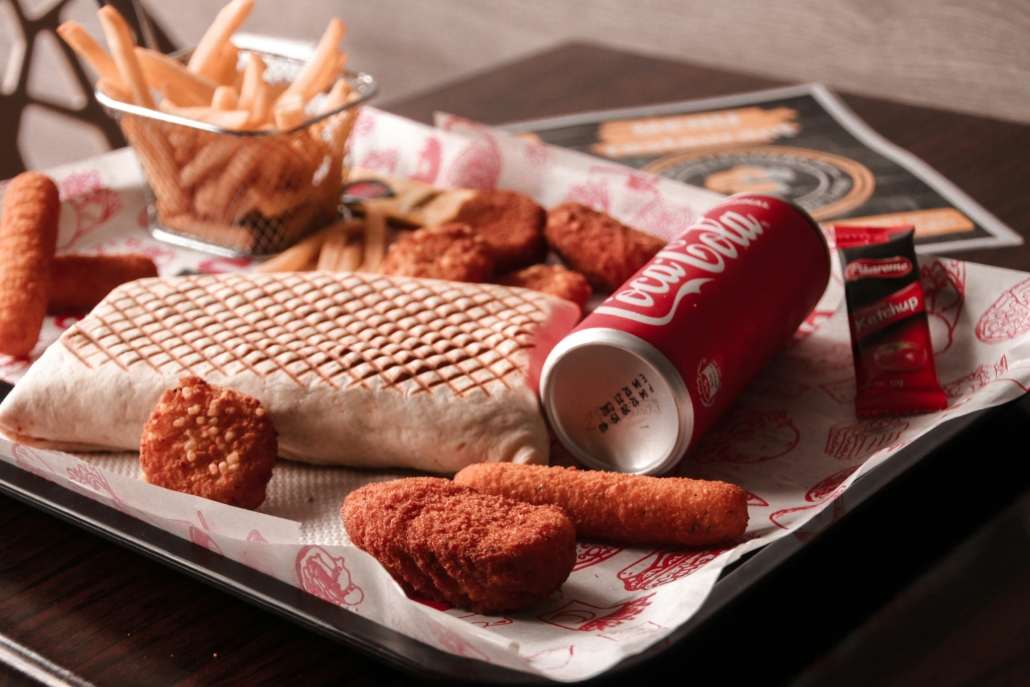
Ultra‑Processed Foods: What the Science Really Says (No Panic, Just Facts)
Last updated: 19th December 2025
This article explains ultra processed foods and health using real data—including a 25-year Singapore cohort—and what to do in everyday life.
Headlines say ultra‑processed foods (UPFs) will “kill you.” A large ~25‑year Singapore cohort (~60,000 adults) recently reported small relative increases in mortality for those eating the most UPFs (≈+6% all‑cause; +8% cardiovascular; +10% respiratory; no significant increase for cancer). In absolute terms, that’s modest—especially compared with major risks like smoking or obesity (30–200%+). Translation: diet quality and energy balance matter most. This guide shows how to use evidence to build a practical, balanced plan—without fear.
Table of contents
- First, what counts as “ultra‑processed”?
- What the new Singapore study found
- Relative risk vs absolute risk (why the numbers look big)
- What most studies agree on (and where they don’t)
- So… should you avoid UPFs entirely?
- An evidence‑based way to eat (that actually fits life)
- Smart swaps (realistic examples)
- FAQs
- Try a session or chat to a coach
- Author & sources
First, what counts as “ultra‑processed”?
Most headlines use the NOVA classification, which puts foods into four groups from minimally processed to ultra‑processed (industrial formulations with additives, emulsifiers, refined starches, etc.). That means protein bars, sliced bread, fortified breakfast cereal, yoghurt drinks, plant‑based meat alternatives and ice‑cream can all be labelled UPF—even though their nutrition profiles and effects on diet quality differ a lot.
Key point: “UPF” is a broad bucket. Whether a specific UPF helps or harms your diet depends on your overall pattern (protein, fibre, calories, micronutrients) and your behaviours (meal timing, activity, sleep).
Ultra Processed Foods and Health: What the Study Found
A long‑running cohort (~60k adults, ~25 years follow‑up) compared the highest vs lowest UPF consumers. Reported relative differences in mortality:
- All‑cause: +6%
- Cardiovascular: +8%
- Respiratory: +10%
- Cancer: no significant difference
The associations were small and varied by outcome, which suggests context matters (lifestyle, quality of the rest of the diet, smoking, activity, weight, etc.).
Relative risk vs absolute risk (why the numbers look big)
Relative risks make headlines. But if the baseline risk of death over a time window were, say, 50 per 1,000, a +6% relative increase moves that to 53 per 1,000—an absolute change of +3 per 1,000. That’s not trivial, but it’s far smallerthan risks from smoking, very low fitness, or severe obesity (often 30–200%+ relative increases in mortality in large cohorts).
Don’t major in the minors. The big rocks—calories, protein, fibre, activity, sleep, alcohol, smoking status—drive most health outcomes.
What most studies agree on (and where they don’t)
- Diets higher in minimally processed foods (veg, fruit, beans, wholegrains, nuts, fish, dairy) are consistently linked to better health.
- Diets very high in UPFs often co‑occur with lower protein/fibre, higher calories, and poorer lifestyle habits. These patterns, not the “UPF” label alone, likely explain much of the risk.
- When energy and protein are matched, some UPFs (e.g., high‑protein yoghurt, fortified cereals, protein bars) can support goals like muscle gain, weight management, or convenience—especially for busy people.
- Evidence is mostly observational; it can show associations, not prove cause. Randomised trials that control calories and protein typically show weight and cardiometabolic changes are driven by energy balance and diet quality, not processing status per se.
So… should you avoid UPFs entirely?
You don’t have to. If a food helps you hit protein, fibre, micros, and calorie targets, it can have a place—even if it’s technically “UPF.” Many members succeed by keeping 80–90% of intake minimally processed, with 10–20% flexible for convenience or enjoyment.
A protein bar on a busy day is usually better than skipping protein. A flavoured yoghurt may be better than no calcium. Context beats absolutism.
An evidence‑based way to eat (that actually fits life)
- Protein anchor: 1.2–2.0 g/kg/day (or 25–40 g per meal), higher end if 50+.
- Fibre & colour: 25–35 g fibre/day; include veg/fruit at most meals.
- Energy balance: aim for steady weight or gradual change (±0.25–0.5 kg/week). Weigh 3×/week; look at monthly averages.
- Smart convenience: choose protein‑rich, fibre‑containing packaged foods when needed (e.g., skyr, high‑fibre wraps, tinned fish, beans, protein bars/yoghurts).
- Sleep, steps, strength: 7–9 h sleep, 8–10k steps, 2+ strength sessions/week.
Smart swaps (realistic examples)
- Breakfast: overnight oats + skyr + berries (adds protein & fibre) ↔ instant pastry (low protein)
- Lunch: high‑fibre wrap + chicken/bean mix + salad ↔ meal deal with crisps & sugary drink
- Snack: protein bar or yoghurt + fruit ↔ chocolate bar alone
- Dinner: beans/chicken + rice + veg ↔ takeaway + no veg
Principle: tweak toward protein + fibre + colour and portion‑aware carbs/fats—regardless of processing label.
FAQs
Are all UPFs bad?
No. UPF is a broad category. Focus on your overall pattern—protein, fibre, calories, micronutrients—and how foods help you meet those targets.
What’s the best UPF to keep?
Options that add protein and/or fibre (e.g., skyr/yoghurt, fortified cereal, high‑fibre bread/wraps, tinned fish, protein bars) can be helpful.
Should I avoid emulsifiers/additives?
If a product upsets your gut, avoid it. Otherwise, for most people they’re safe within regulatory limits. Your total diet pattern matters more.
How much is too much?
As a rule of thumb, aim for 80–90% minimally processed foods. Use packaged options to solve problems (time, protein, cost), not as your whole diet.
Try a session or chat us
- Nutrition check‑in (10–15 min): build a simple plan around protein, fibre, and portions.
➡️ Book a Tour - ➡️ Book a Call
- ➡️ Start a free trial : see the space, meet the team, try a short session.
Sources
Sources
- Long‑term Singapore cohort (~60k adults, ~25 years): higher UPF intake linked to small relative increases in all‑cause, cardiovascular, and respiratory mortality; no significant increase for cancer.
- Large cohorts in Europe and elsewhere report associations between very high UPF intake and poor health outcomes, but effect sizes vary and are sensitive to diet quality, energy intake, and lifestyle confounders.
- Trials that match calories and protein indicate weight and metabolic changes are largely driven by energy balance and diet quality, not processing alone.
- UK guidelines emphasise overall pattern: fruit/veg, fibre‑rich carbs, lean protein, healthy fats, activity, sleep, alcohol moderation, and not smoking.
- “Snack Attack guide” → Free Download

